
SUPPORT FOR WHAT YOU’RE STILL CARRYING
PTSD & Trauma Treatment in Orange County
Trauma doesn’t stay where it happened. It shows up in a flinch at a sound that shouldn’t bother anyone, a memory that intrudes uninvited in the middle of an ordinary afternoon, a nervous system that stays braced for danger long after the danger has passed. An estimated 3.6% of U.S. adults have PTSD in any given year, and 6.8% will experience it at some point in their lives. That means the person sitting next to you at a coffee shop in Laguna Beach may be carrying something similar to what you are.
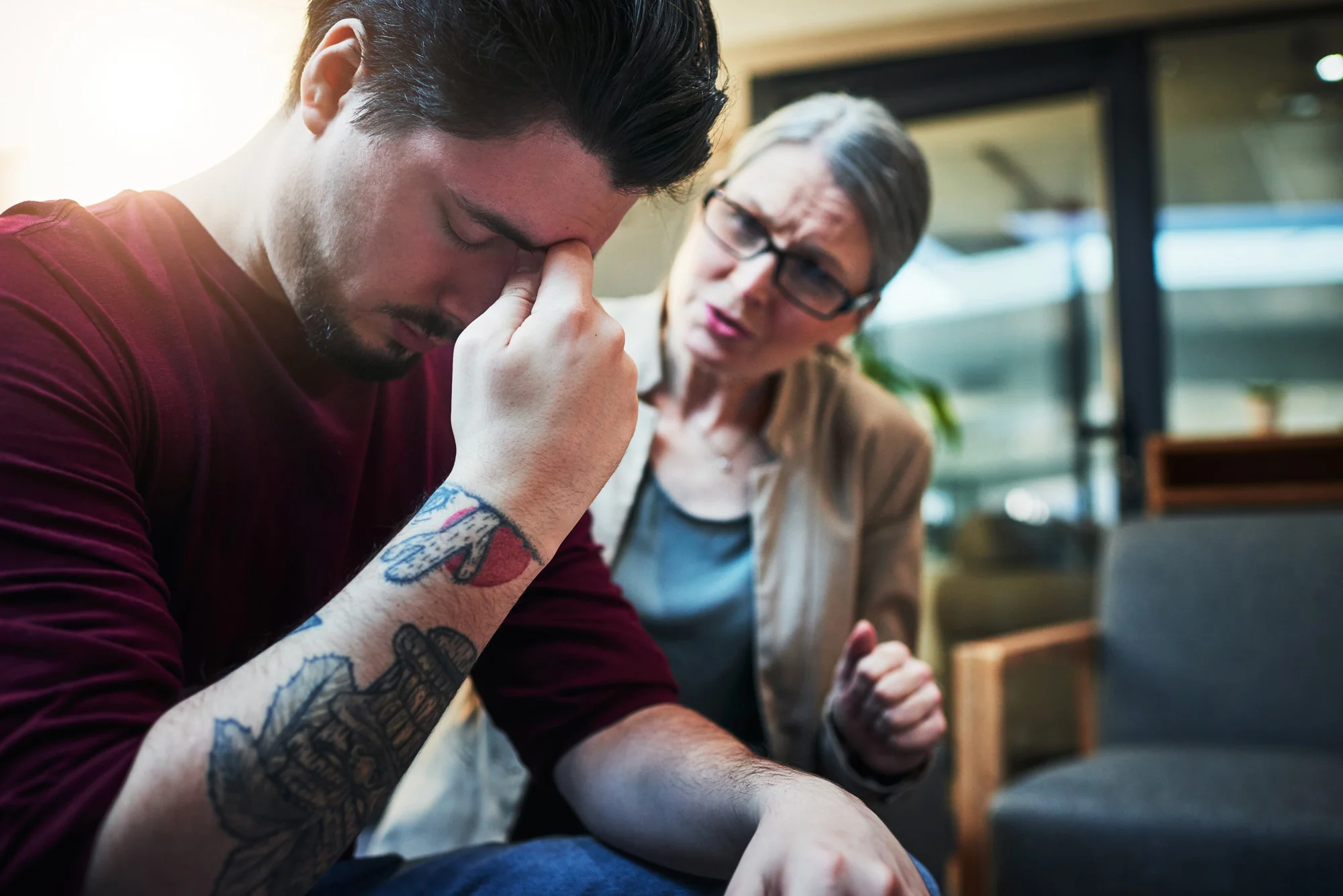
SIGNS OF PTSD & TRAUMA
Recognize the thoughts, physical responses, and changes in daily life associated with trauma.
Call or text
Answered 24 hours a day
(949) 541-4061
PTSD & TRAUMA TREATMENT OPTIONS
Explore PHP, IOP, and outpatient therapy for PTSD and trauma.
RECOGNIZING THE IMPACT OF TRAUMA
Common Signs of PTSD and Unresolved Trauma
- Intrusive memories, flashbacks, or nightmares related to a traumatic event
- Avoiding people, places, or situations that are reminders of what happened
- Feeling constantly on guard, easily startled, or unable to relax
- Emotional numbness or feeling disconnected from people you’re close to
- Difficulty sleeping or concentrating
- Persistent negative beliefs about yourself or the world since the event
- Irritability or anger that feels out of proportion to the situation


TRAUMA-INFORMED SUPPORT AT THE RIGHT PACE
PTSD and Trauma Treatment Options: PHP, IOP, and Outpatient Therapy
For trauma responses that are manageable day-to-day but still present, outpatient therapy offers consistent, trauma-informed support at a sustainable pace. When trauma symptoms are actively disrupting sleep, relationships, or your ability to function, IOP or PHP provides the structure and frequency needed to process what happened more intensively, often incorporating approaches like EMDR.
WHEN THE PAST AFFECTS THE PRESENT
How Trauma Shows Up in Everyday Life
A first responder who’s never been able to fully leave the job at the door. Someone who lost a parent suddenly and has never quite felt safe since. A person whose trauma isn’t a single event but years of something smaller, repeated, and never acknowledged. Trauma doesn’t require a dramatic story to be legitimate. It requires that something happened, and it hasn’t finished happening inside you.

Explore Your Treatment Options
Partial Hospitalization (PHP)
More structured daytime treatment for those who need a higher level of support.
Intensive Outpatient Program (IOP)
Structured clinical support through our Intensive Outpatient Program.
Outpatient Therapy
Ongoing, personalized therapy with the flexibility to fit your everyday life.
COMMON QUESTIONS ABOUT PTSD & TRAUMA
FAQ
Clear answers to some of the questions we hear most often. Don't see what you're looking for? Give us a call — our team is happy to help.
How is PTSD different from just being stressed after something bad happens?
Stress after a difficult event typically eases with time. PTSD involves persistent symptoms (flashbacks, avoidance, hypervigilance) lasting more than a month and interfering with daily functioning.
Do I need to have experienced a single traumatic event to have PTSD?
No. Trauma can also result from prolonged or repeated experiences, not just a single dramatic incident.
What therapies are used to treat PTSD?
EMDR and trauma-focused CBT are among the most researched and effective approaches, often used alongside individual and group therapy.
Which program is right for treating PTSD: PHP, IOP, or outpatient?
It depends on how much your symptoms are currently affecting daily functioning. A clinical assessment will identify the right starting level of care.